
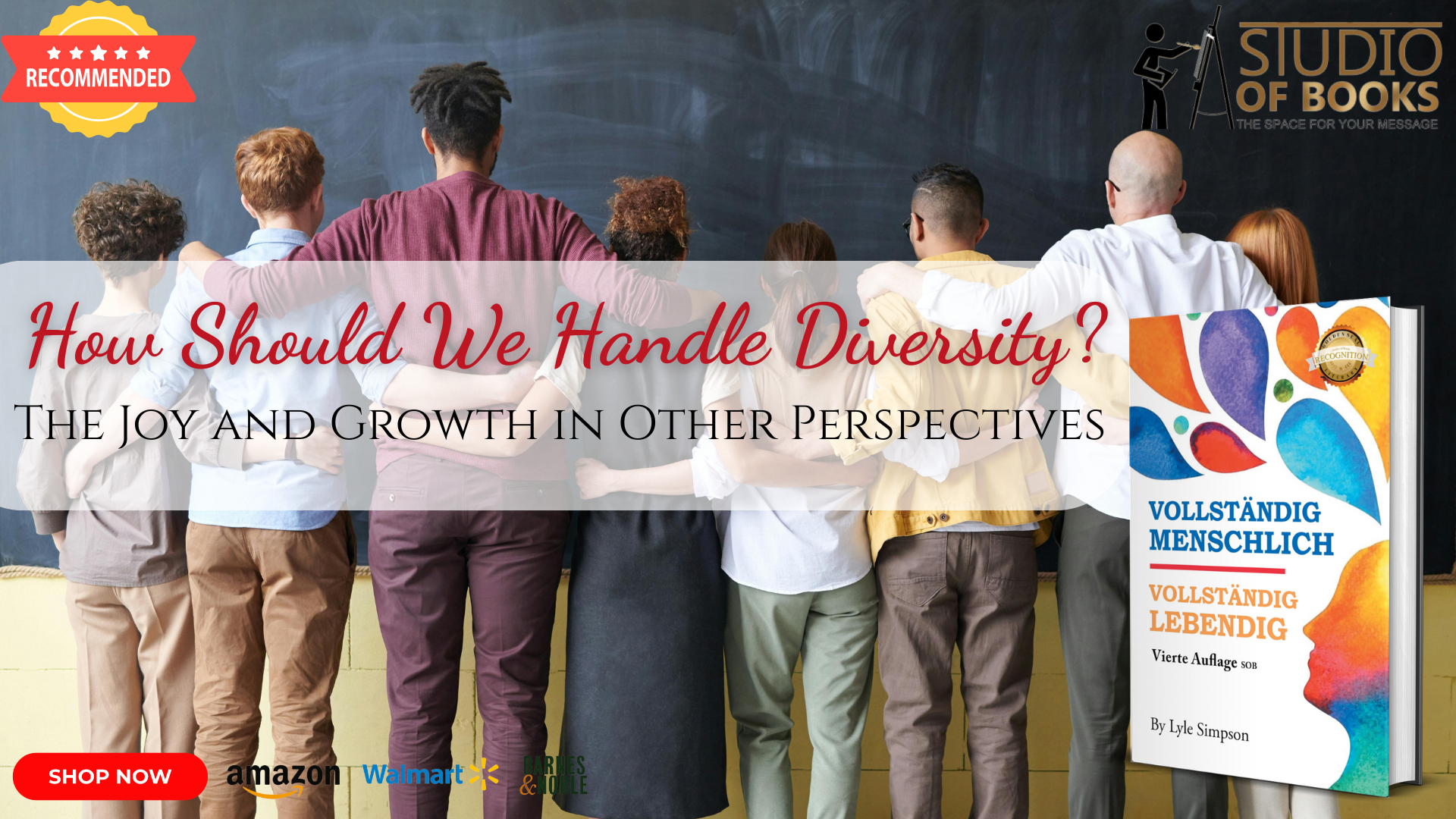
The world is incredibly vast and splendidly diverse. But for many, difference still feels threatening or confusing. In Fully Human/Fully Alive, Lyle Simpson presents diversity as a treasure, a catalyst for growth, innovation, and deeper understanding—not something to be feared, but embraced.
Simpson challenges us to be intentional about welcoming unfamiliar cultures, personalities, and ideas into our lives. This isn’t about tokenism or superficial exposure, but about actively seeking out opportunities to learn and grow through real engagement. When you open yourself to new music, languages, customs, and philosophies, your own mind expands.
Why is this important? Because, as Simpson points out, encountering otherness disrupts the limits of our inherited worldviews. We’re forced to reconsider what we consider “normal” or “right,” which is essential for empathy and personal development. Instead of living in an echo chamber, you begin to see the world—and yourself—more clearly.
Practically, this could mean traveling, reading widely, befriending people outside your usual circles, or simply listening with an open heart to stories different from your own. Humanists, Simpson says, are uniquely positioned to bridge divides, fostering communities where every member learns from all others.
Handling diversity gracefully doesn’t mean abandoning your own values. On the contrary, it means weighing your values alongside others’, seeing what resonates and where compromises can—and should—be made. The result is a broader, richer, more resilient approach to life.
Ultimately, diversity isn’t just good for society; it makes your own existence deeper and more wondrous. The more perspectives you can draw from, the more fully human—and fully alive—you become.