
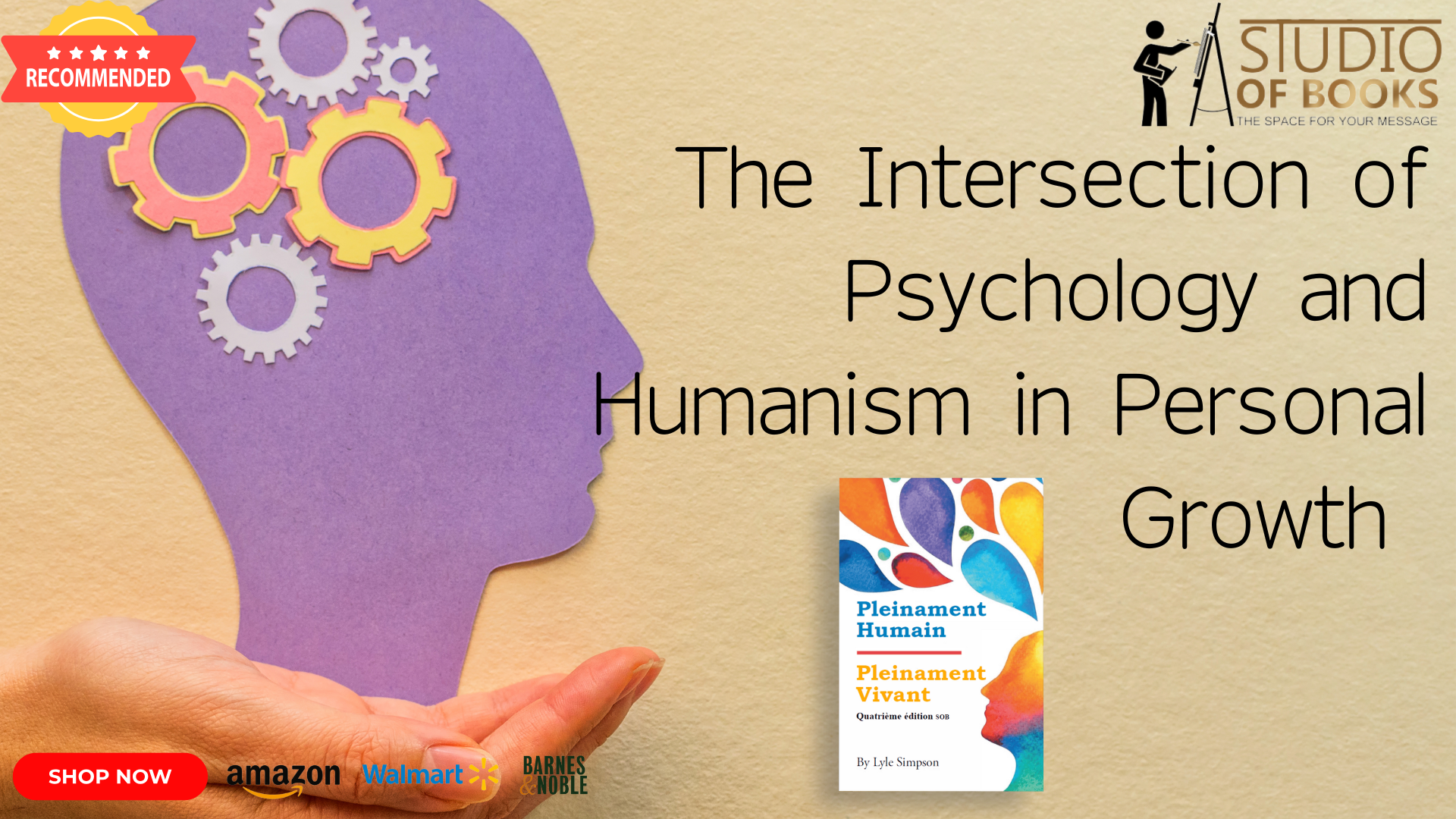
Personal growth is often treated as a technical project: set goals, check boxes, repeat. But Lyle Simpson, in Fully Human/Fully Alive, demonstrates that true self-improvement goes deeper—it’s a dance between psychological insight and the broad, nurturing vision of humanism.
Humanism starts with the conviction that every person matters and holds unique dignity and potential. Psychology gives us the tools to understand our motivations, heal internal wounds, and change unhelpful patterns. Combined, these traditions anchor growth not just in performance, but in meaning and purpose.
Simpson highlights that growth isn’t about “fixing” yourself—it’s about embracing the whole messy, evolving story of who you are. This means making peace with imperfection and seeing your story as valuable, even when it doesn’t fit society’s ideals. It’s about turning compassion inward as much as you offer it outward.
Courage, compassion, and authenticity are the virtues that propel our transformation. Simpson reminds us that setbacks are part of real life; resilience forms in the struggle. The messiness of growth is itself evidence that you’re doing the work, not proof you’re failing.
Equally, humanistic psychology encourages us to see growth as relational. Our context—family, friends, culture—shapes and reflects back our evolving identities. Real transformation comes most powerfully in community, where we risk vulnerability and are met with empathy.
So, what does this look like day by day? Try integrating reflection into your routine: journaling, talking openly with trusted allies, or seeking professional support when needed. Balance inner work with reaching out—find groups or volunteer opportunities where your gifts can matter.
Growth guided by both psychology and humanism doesn’t chase perfection; it cherishes curiosity, connection, and hope. This is what it means to be fully human, and what makes the journey fully alive.