
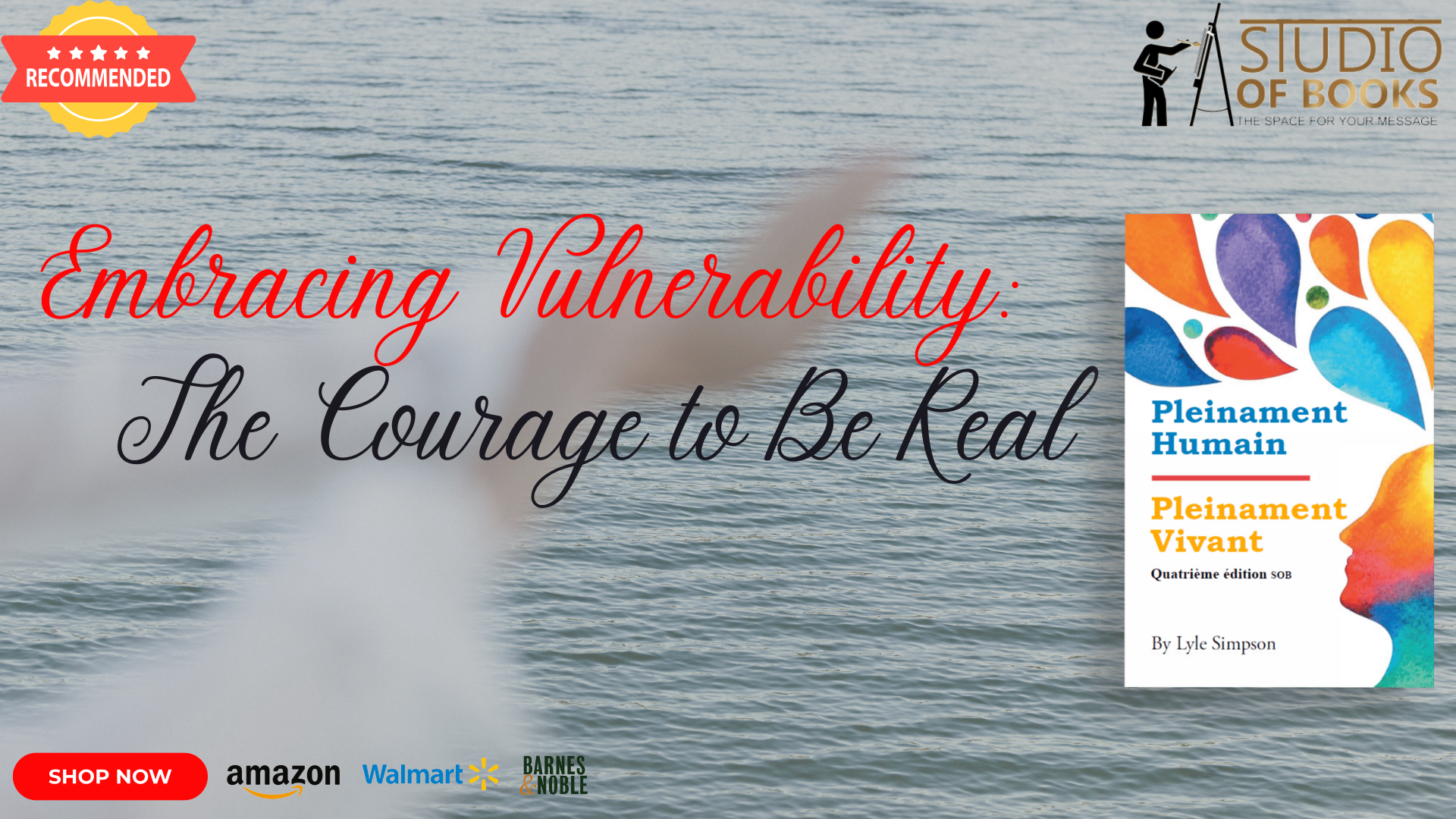
In a culture that prizes strength and perfection, vulnerability often feels counterintuitive. Yet “Fully Human/Fully Alive” reveals vulnerability as the wellspring of courage, connection, and authenticity. To be fully human is to be fully open, embracing imperfection and uncertainty.
Author Lyle Simpson encourages dropping the masks we wear to protect ourselves. Vulnerability deepens relationships and fosters empathy, making space for genuine understanding and love. Though exposing our true selves requires bravery, Simpson argues it is this choice that leads to freedom and joy.
By leaning into vulnerability, we transform loneliness into belonging and fear into resilience. It’s a radical practice that shifts our relationship with ourselves and others, enabling a more authentic and lively life.
The journey toward vulnerability begins with self-compassion. acknowledging our struggles without judgment, recognizing that our flaws and mistakes are part of the shared human experience rather than evidence of our inadequacy.
When we stop demanding perfection from ourselves, we create space for others to show up imperfectly too. This shift from self-criticism to self-acceptance becomes the foundation for deeper, more meaningful relationships where both parties can exist without pretense.
Perhaps most importantly, vulnerability is not a destination but a daily practice. It requires us to choose courage over comfort in small moments throughout our lives—admitting when we don’t know something, asking for help when we need it, or sharing our honest feelings even when they’re messy.
This reminds us that this practice doesn’t make us weak; it makes us whole. Each time we choose authenticity over perfection, we not only honor our own humanity but also give others permission to do the same, creating ripple effects of genuine connection that can transform entire communities.