
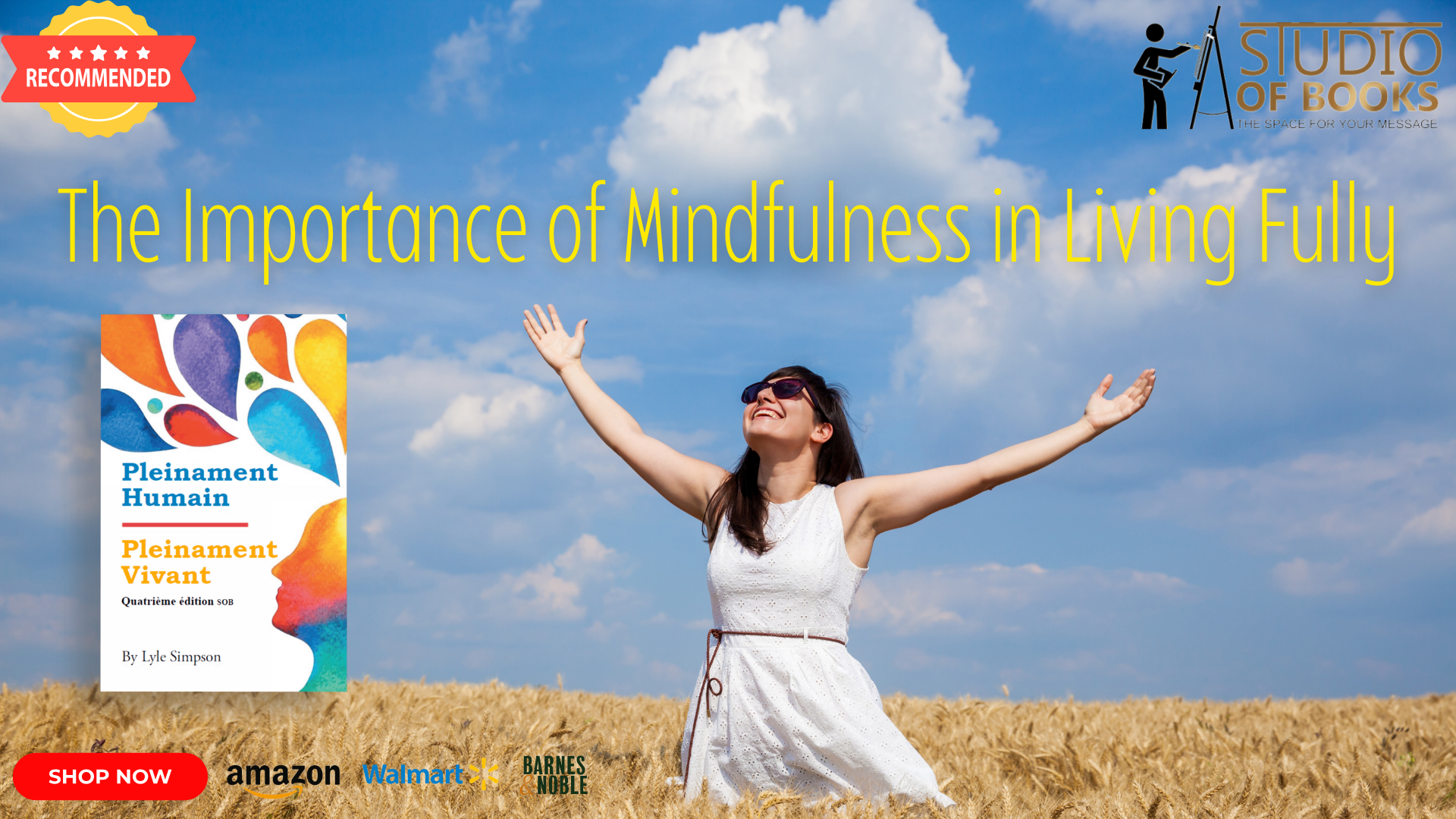
In the age of ceaseless notifications, endless obligations, and ever-accelerating pace, mindfulness is more than just a wellness buzzword—it’s an act of profound rebellion and self-care. In Fully Human/Fully Alive, Lyle Simpson argues that only by cultivating true presence in each moment can we experience the richness and possibility of human existence.
Mindfulness, Simpson says, is the art of slowing down and giving full attention to right now—without judgment, distraction, or striving. It might look like savoring a quiet morning; taking a few breaths in a traffic jam instead of raging; or gently noticing your emotions as they arise without being swept away by them.
Where does the power of mindfulness come from? By anchoring in the present, we escape rumination about the past or anxiety about the future. Simpson notes that mindfulness reduces stress, improves clarity, and deepens our appreciation for life, fostering self-compassion and better connection with others.
Yet mindfulness isn’t about escaping pain; it’s about facing it kindly. By being present with discomfort, we discover it often transforms or softens. We build resilience when we refuse to turn away from difficult feelings, lonely moments, or even boredom.
Simpson offers simple routines: try brief daily meditations, mindful eating, or simply pausing to notice a sensation or sound. The more you practice, the more life expands—from automatic pilot to vivid, nuanced living.
Integrating mindfulness won’t shield you from every hardship, but it does give you more choice in how you respond. With gentle attention, life’s textures become richer; you find beauty not only in highlights but in the ordinary and even in the difficult.
If you long to be more fully present—and thus more fully alive—the mindful path is right beneath your feet, waiting for you to walk it.